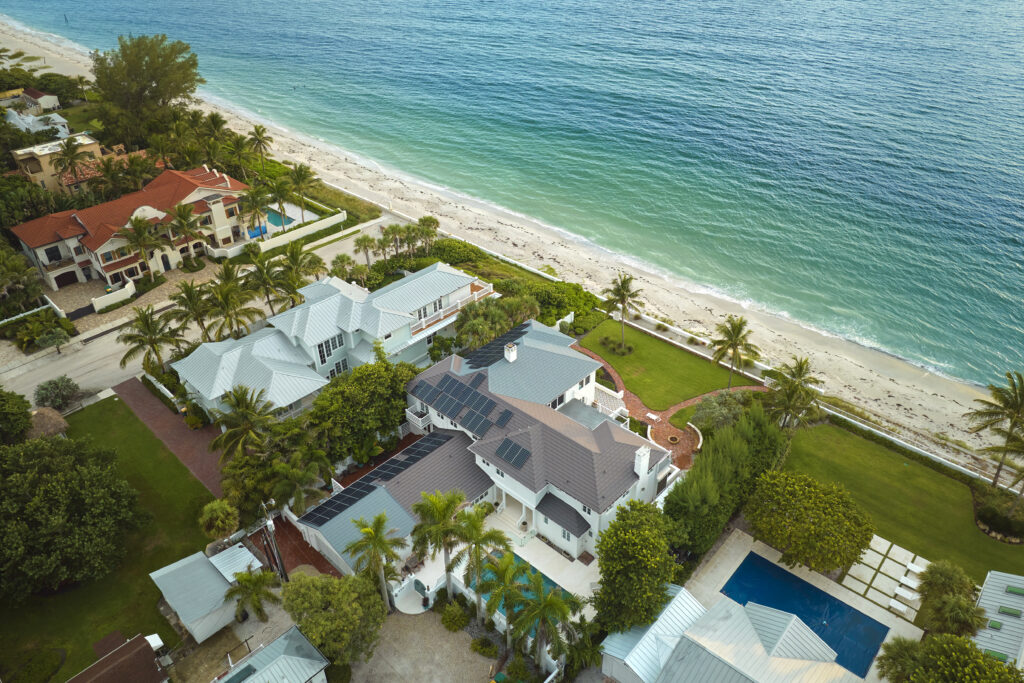
South Florida offers beautiful weather for much of the year, but the same climate that attracts residents and investors can be extremely demanding on roofing systems. Intense sun exposure, heavy rainfall, high humidity, and seasonal storms all place constant stress on residential and commercial roofs.
Understanding how South Florida weather impacts your roof helps property owners make better maintenance decisions, extend roof lifespan, and prevent costly structural damage. For homeowners, investors, and property managers, proactive roof care is one of the most effective ways to protect long term property value.
The Constant Pressure of Florida Sun and UV Exposure
One of the biggest factors affecting roofing systems in South Florida is year round sun exposure. Ultraviolet radiation gradually breaks down roofing materials over time.
Shingles can become brittle, tiles may weaken, and flat roof membranes can lose flexibility. Continuous UV exposure also causes expansion and contraction cycles throughout the day as temperatures rise and fall.
Over time, this thermal movement can lead to cracks, separation of materials, and weakened sealing points. Without regular inspections, small issues created by sun exposure can develop into leaks and structural problems.
Heat and Attic Temperature Stress
Roof surfaces in Florida can reach extremely high temperatures, often exceeding 150 degrees Fahrenheit during peak summer conditions. When a roof absorbs excessive heat, attic temperatures rise significantly.
This heat stress can impact roofing materials and the home itself. Higher attic temperatures increase HVAC workload, accelerate material aging, and weaken certain roofing components.
Proper ventilation, reflective materials, and energy efficient roofing systems help reduce heat buildup and improve overall roof performance.
Heavy Rainfall and Moisture Intrusion
South Florida experiences frequent rain events, particularly during the summer months. Heavy downpours can expose weaknesses in roofing systems such as cracked tiles, damaged flashing, or deteriorated sealants.
Water infiltration is one of the most common roofing problems in the region. Even a small opening can allow moisture to penetrate beneath roofing layers and damage insulation, wood framing, and interior ceilings.
Once water enters the system, mold growth and structural deterioration may follow if repairs are delayed.
Humidity and Moisture Accumulation
High humidity levels create another challenge for roofs in South Florida. Constant moisture in the air can affect roofing materials, ventilation systems, and attic environments.
Poor ventilation combined with high humidity can lead to condensation inside roofing structures. Over time, this can cause wood rot, insulation damage, and deterioration of underlayment materials.
Maintaining proper airflow and roof ventilation is essential for controlling moisture buildup and preserving structural integrity.
Storms and Hurricane Season
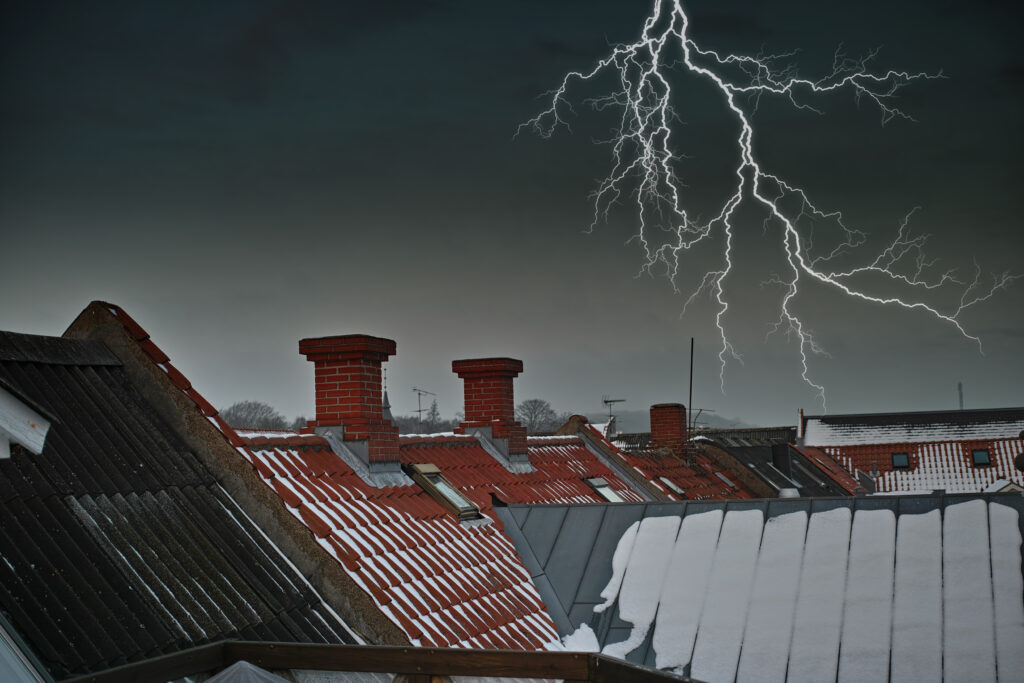
South Florida roofs must also withstand powerful storms and hurricane season each year. High winds, flying debris, and heavy rain can severely impact roofing systems.
Wind uplift can loosen shingles, shift tiles, and damage flashing. Debris can puncture roofing membranes or create entry points for water. After storms, roofs should always be inspected to identify damage that may not be visible from the ground.
A properly installed roof designed to meet Florida building codes significantly improves resistance to storm damage.
Salt Air and Coastal Corrosion
For properties near the coast, salt air adds another layer of stress to roofing systems. Salt particles carried by ocean winds can accelerate corrosion in metal components such as flashing, fasteners, and roof hardware.
Over time, this corrosion can weaken structural connections and reduce roof durability. Materials selected for coastal environments must be designed to resist salt exposure.
Early Warning Signs of Weather Damage
Because weather affects roofing systems continuously, homeowners should watch for early signs of deterioration. Common indicators include:
- Missing or cracked roofing materials
- Water stains on ceilings
- Loose flashing around vents or chimneys
- Increased indoor humidity
- Granule loss on shingles
- Debris accumulation in drainage areas
Identifying these issues early helps prevent larger repairs and protects the structure beneath the roof.
How Preventive Maintenance Protects Your Roof
Regular inspections and preventive maintenance are essential in climates like South Florida. A professional roofing inspection can identify minor damage caused by weather before it escalates into a major repair.
Routine maintenance may include sealing vulnerable areas, replacing damaged materials, clearing drainage systems, and verifying proper ventilation.
This proactive approach significantly extends roof lifespan and reduces long term maintenance costs.
Why Professional Roofing Expertise Matters
Roofing systems in South Florida must be designed and installed with the region’s climate in mind. Licensed contractors understand Florida building codes, material performance requirements, and proper installation techniques for high wind zones.
Working with experienced professionals ensures that roofing systems are built to withstand heat, storms, humidity, and heavy rainfall while maintaining long term durability.
Protect Your Property From Florida’s Demanding Climate
South Florida weather will always challenge roofing systems. However, with the right materials, proper installation, and regular maintenance, your roof can continue protecting your property for many years.
If you want to ensure your roof is prepared for the region’s climate conditions, scheduling a professional roof evaluation is a smart first step. Proactive care today can prevent costly repairs tomorrow while preserving the value of your home or investment property.