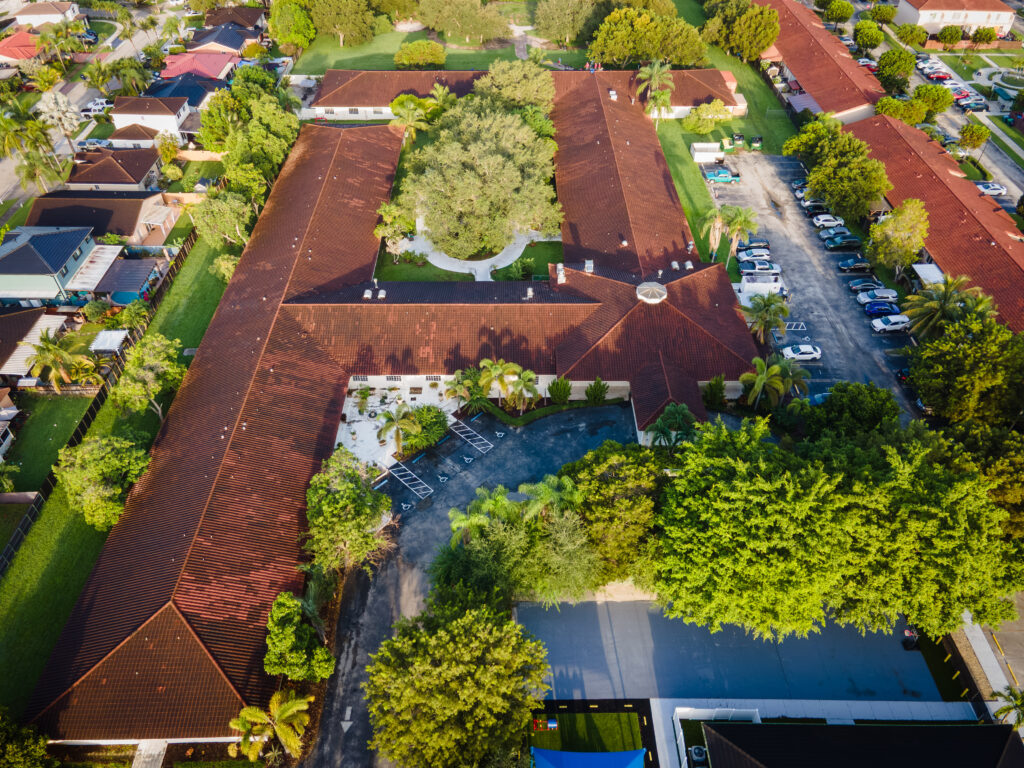
Flat roofs are widely used in commercial buildings across Florida due to their cost efficiency, accessibility and design flexibility. However, they require consistent and strategic maintenance to perform well in a climate marked by heat, humidity and heavy seasonal rainfall. Small issues can escalate quickly, leading to costly repairs, business disruption and structural damage.
For property owners, managers and investors, understanding how to maintain a flat roof is essential. At VF Fast Roofing, we work with commercial facilities throughout South Florida and have seen firsthand how proactive maintenance protects assets and extends roof lifespan. Below are the most important flat roof maintenance practices every commercial property should follow.
1. Schedule Routine Roof Inspections
Flat roofs are more vulnerable to standing water, membrane wear and punctures. Because of this, commercial buildings benefit from two professional roof inspections per year. A licensed contractor checks membrane seams, flashing, fasteners, drainage points and potential structural concerns.
Routine inspections allow early detection of problems that are not visible from ground level. This prevents minor issues from turning into large scale repairs, reducing long term costs and downtime.
2. Keep Drainage Systems Clear
Water accumulation is one of the most common causes of flat roof damage. Blocked drains, gutters and scuppers prevent proper water flow, leading to ponding. Over time, standing water accelerates membrane deterioration and increases the risk of leaks.
Maintaining a clean drainage system is crucial. Removing leaves, debris and sediment ensures water flows smoothly after heavy rainfall. For commercial operations, this step alone can significantly reduce emergency repair calls.
3. Monitor Roof Membrane Condition
Membranes like TPO, PVC and modified bitumen are durable but not indestructible. Exposure to UV rays, high temperatures and foot traffic eventually causes wear. Regular checks for blisters, cracks, punctures and seam separation help identify areas at risk.
Commercial buildings with frequent rooftop activity should establish walkway pads to reduce membrane damage. Proper weight distribution and controlled traffic extend roof life and prevent punctures.
4. Address Ponding Water Quickly
A flat roof should never hold water for longer than 48 hours. Persistent ponding weakens materials and signals drainage issues that require attention. Solutions vary from improving slopes and drainage points to applying high performance coatings or structural adjustments.
Resolving ponding early protects both membrane integrity and the underlying structure, preventing future leaks and mold development.
5. Inspect Flashing and Roof Penetrations
Commercial roofs often contain multiple penetrations such as HVAC units, vents, skylights and exhaust fans. These areas require special attention, since they are common sources of leaks.
Flashing around penetrations must remain fully sealed and securely attached. Any separation or cracking should be repaired immediately to maintain watertight performance. Proper flashing maintenance is one of the most effective ways to prevent premature roof failure.
6. Maintain Coatings and Waterproofing Systems
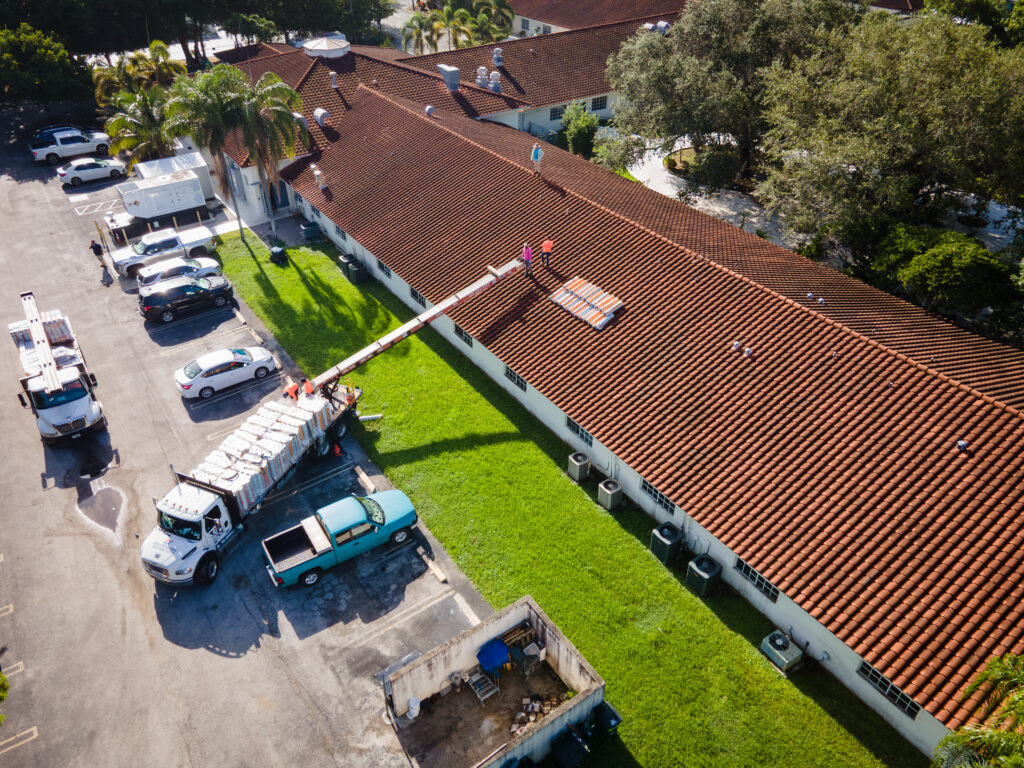
Many commercial flat roofs benefit from silicone or elastomeric coatings that provide UV resistance, water protection and energy efficiency. These coatings must be inspected regularly, especially after storm season, to ensure there are no worn areas or peeling sections.
Reapplying coating when needed extends roof lifespan significantly and reduces cooling costs in hot climates.
7. Document All Maintenance and Repairs
Commercial properties benefit greatly from detailed documentation. Maintaining records of inspections, repairs and maintenance supports insurance claims, warranty compliance and property valuation. Investors and building owners who keep accurate reports typically experience faster approval in claims and fewer disputes.
8. Plan for Long Term Roof Management
Flat roofs require a long term approach. Developing a maintenance plan ensures predictable budgeting and reduces the risk of unexpected failures. Annual inspections, periodic cleaning, coating cycles and timely repairs form a predictable schedule that maximizes roof performance.
A long term plan protects your building, reduces capital expenses and increases operational efficiency.
9. Work With an Experienced Commercial Roofing Contractor
Flat roofing systems demand specialized expertise. Partnering with a qualified contractor ensures accurate assessments, code compliant repairs and long lasting solutions. An experienced team understands the specific needs of commercial buildings and the demands of Florida weather.
VF Fast Roofing provides complete flat roof maintenance and repair services, including leak detection, drainage correction, membrane restoration, coatings and emergency response. Our work focuses on quality, safety and minimizing disruptions to your operations.
Protect Your Building and Extend Your Roof’s Lifespan
Commercial flat roofs require consistent care to withstand Florida’s climate. By following these maintenance practices and partnering with a trusted roofing expert, property owners and investors can prevent costly damage, improve energy efficiency and protect long term asset value.